Kyung Yun Choi, PhD
HCI Researcher
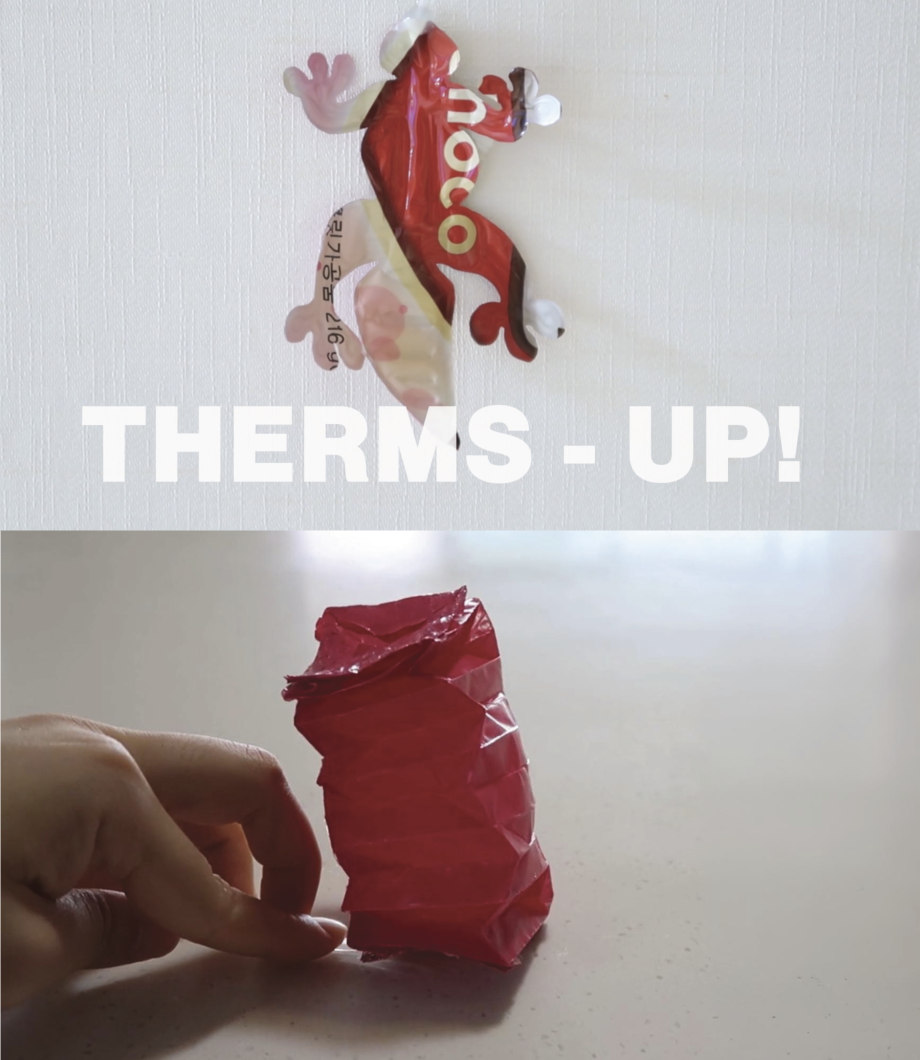
Dr. Choi’s time as a researcher at MIT Media Lab introduces a DIY method for creating inflatables and interactive materials using thermoplastic waste products, which are commonly found at home. She utilizes a standard FDM 3D printer to heat-seal and pattern different types of thermoplastic bags, primarily made of polypropylene and polyethylene. She characterizes eight different types of plastic films with specific 3D printer settings for repurposing each. Beyond heat-sealing, she explores new design possibilities, including embossing, creating origami creases, and adding textural patterns to the plastic. The durability of inflatables was tested through evaluations of heat-sealed bonding strength across nine different air pouches. The study also showcases scenarios where these DIY inflatables can be applied for rapid prototyping and medical use.
Feedback
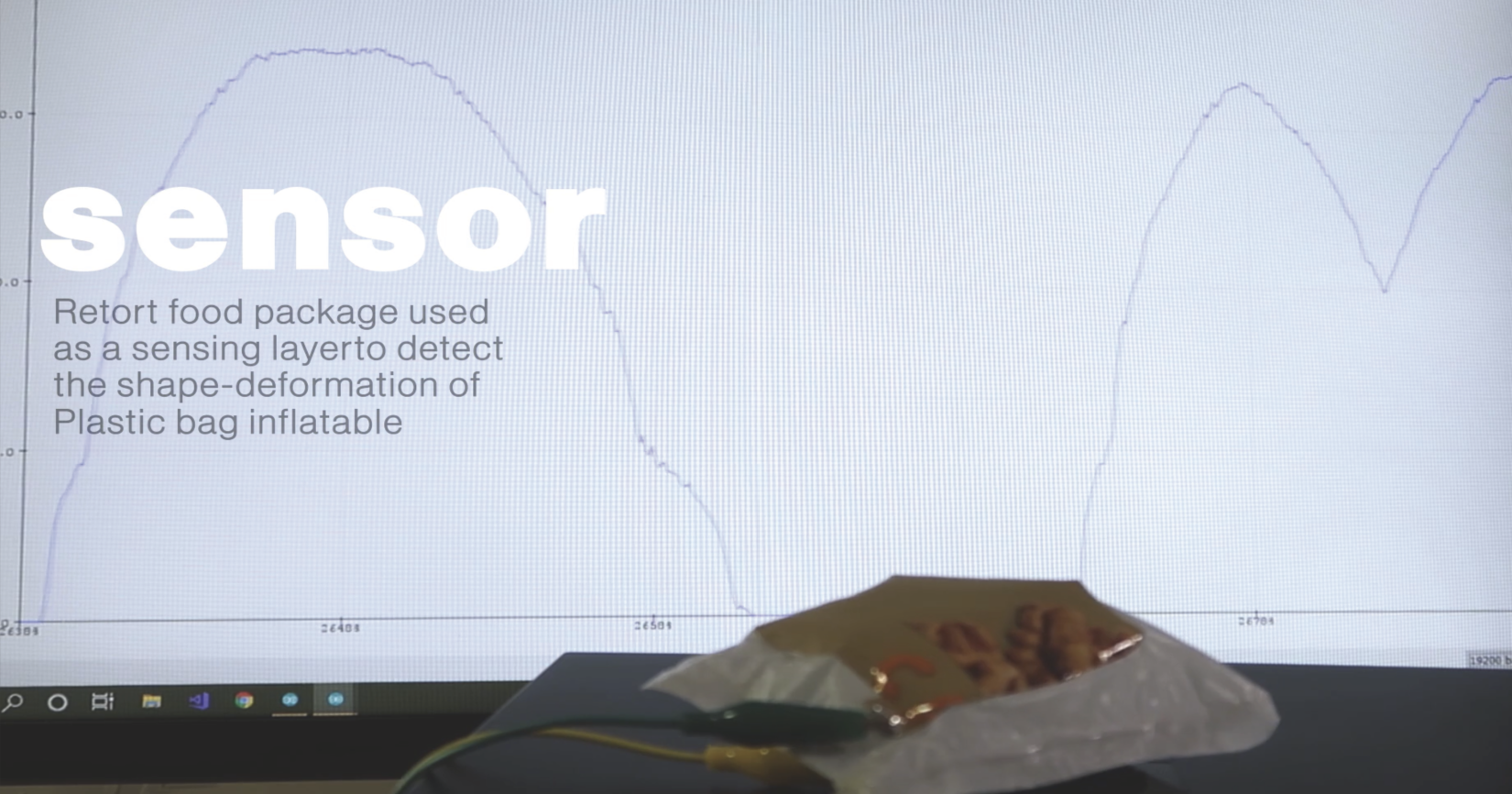
After conducting an interview with Dr. Choi, she introduces the possibility of embedding pressure sensors inside of the aluminum layers of thermoplastic bags. With this approach, users can control the amount of pressure externally which can then manipulate the movement of the structure itself. She also reveals several nylon heat-sealable fabrics that may work instead of thermoplastics as well as tutorials on constructing inflatables.
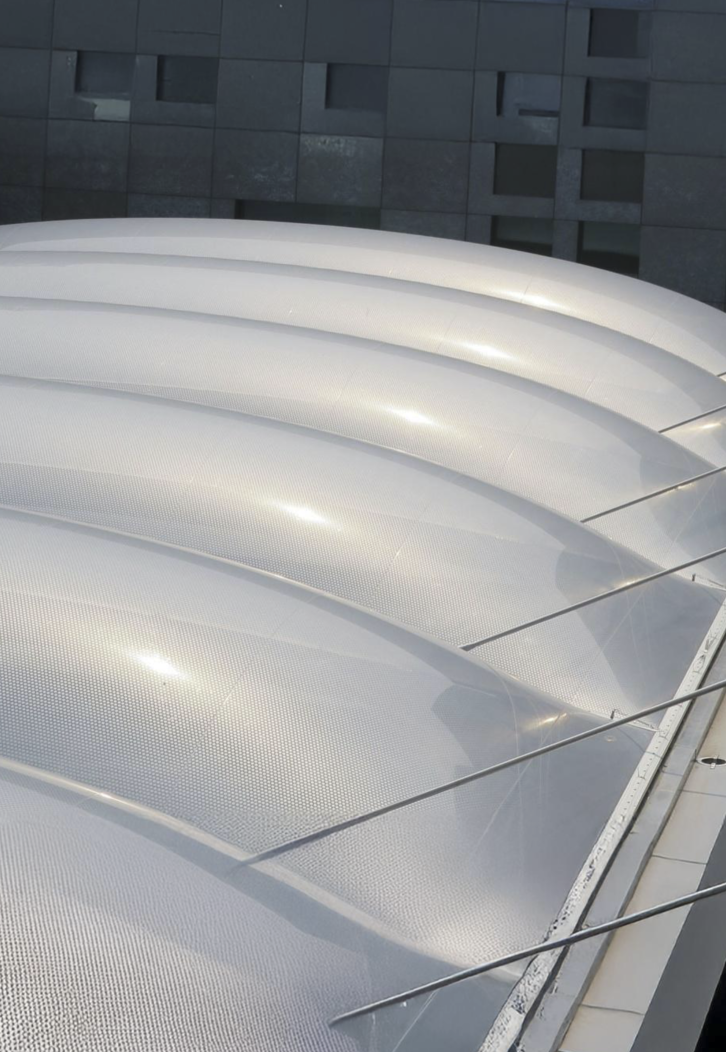
Paul’s background features extensive research on inflatable applications on architecture. Through his work, he demonstrates how inflatable architecture can redefine spatial experiences. Paul’s academic background is rooted in material science and architecture, which he leverages to experiment with new materials. One particular material he is especially fond of working with is Ethylene Tetrafluoroethylene (ETFE).
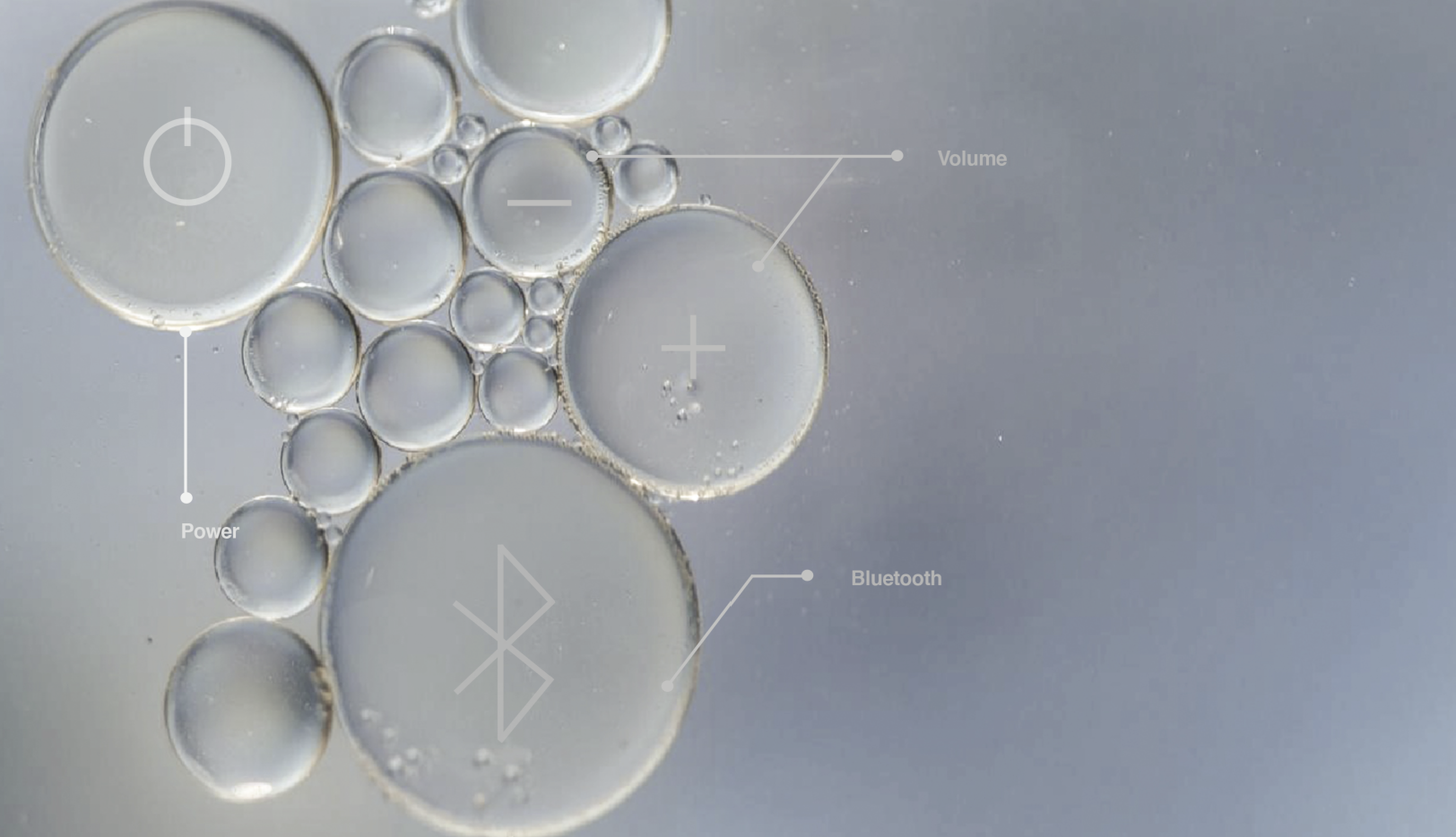
After discussing my concept to Paul and the feedback I had previously gotten from Dr. Choi, he had found the use of pressure sensors particularly interesting. We discussed the possibility of integrating the concept of pressure sensors as specific buttons and switches. By incorporating different pressure actuations and isolated “bubbles” as buttons, each bubble can provide individual functions. One concern Paul brings up is the structural integrity and accuracy of this concept. For instance, it might feel like you have moved the device but you have only shifted the air pressure, and the sensor is not moving if the bubble is not at the right air pressure. Elastic materials also raise longevity concerns.
Paul Vincent
Architect