
Plastic Policies
Governments worldwide are increasingly focused on sustainability measures and reducing plastic waste, particularly single-use and non-biodegradable plastics like ABS. Due to its impact resistance, successful electrical insulation properties, and ability to be molded into complex shapes, ABS plastic is most commonly used to manufacture consumer electronics.
As part of the implementation of Former President Biden’s Executive Order 14057, the Secretary’s Order 3407, issued on June 8, 2022, aims to reduce the procurement, sale and distribution of single-use plastic products and packaging. The goal was to rid all single-use plastic products on Department-managed lands by 2032. Biden issued Order 14057, which calls for federal agencies to take actions to reduce and phase out procurement of single-use plastic products, “to the maximum extent practicable.”
1. Reducing Single-Use Plastic Pollution, US Department of the Interior, September 17, 2024, https://www.doi.gov/reducing-single-use-plastic-pollution
Right to Repair Tax
A new “Right to Repair” legislation worldwide seeks to extend product lifespan and increase circularity, thereby reducing premature waste. The initiative aims to facilitate consumer and independent company repair of products by requiring manufacturers to provide documentation, tools, and parts needed to make repairs. These initiatives aim to improve the longevity of products and boost the repair sector.
In March 2023, the European Commission proposed a Directive on the “Right to Repair.” The Annexes to the Directive include the following regulated products: household appliances, TVs and electronic displays, vacuum cleaners, servers and data storage products, and mobile phones and tablets.
2. Stacey H., Russ L, Deepti G, Amanda T. New Global Initiatives Push for the “Right to Repair” Consumer Goods, April 20, 2023. https://www.bdlaw.com/publications/new-global-initiatives-push-for-the-right-to-repair-consumer-goods
Foreign Trade
The costs and availability of LDPE and other various thermoplastics may be influenced by foreign trade policies, tariffs, and trade agreements between the country of manufacturing and the regions being sold in. Depending on the source of the materials, trade restrictions on imported goods can place a tax on the sale of consumer goods from milk and most groceries to smartphones and even electric vehicles by up to 26%. At a time when the economy is still suffering and inflation continues to rise, imposing this “Plastic Tax” leads to higher prices for essential products and services and a step backward in the fight against climate change.
The political landscape around sustainability, trade policy, and taxing will play a pivotal role in shaping the success of this design when looking to manufacture at an industrial scale. Governments are consistently moving toward stringent environmental regulations, therefore aligning with government policies that promote environmental responsibility will position this product well politically.
Inflation
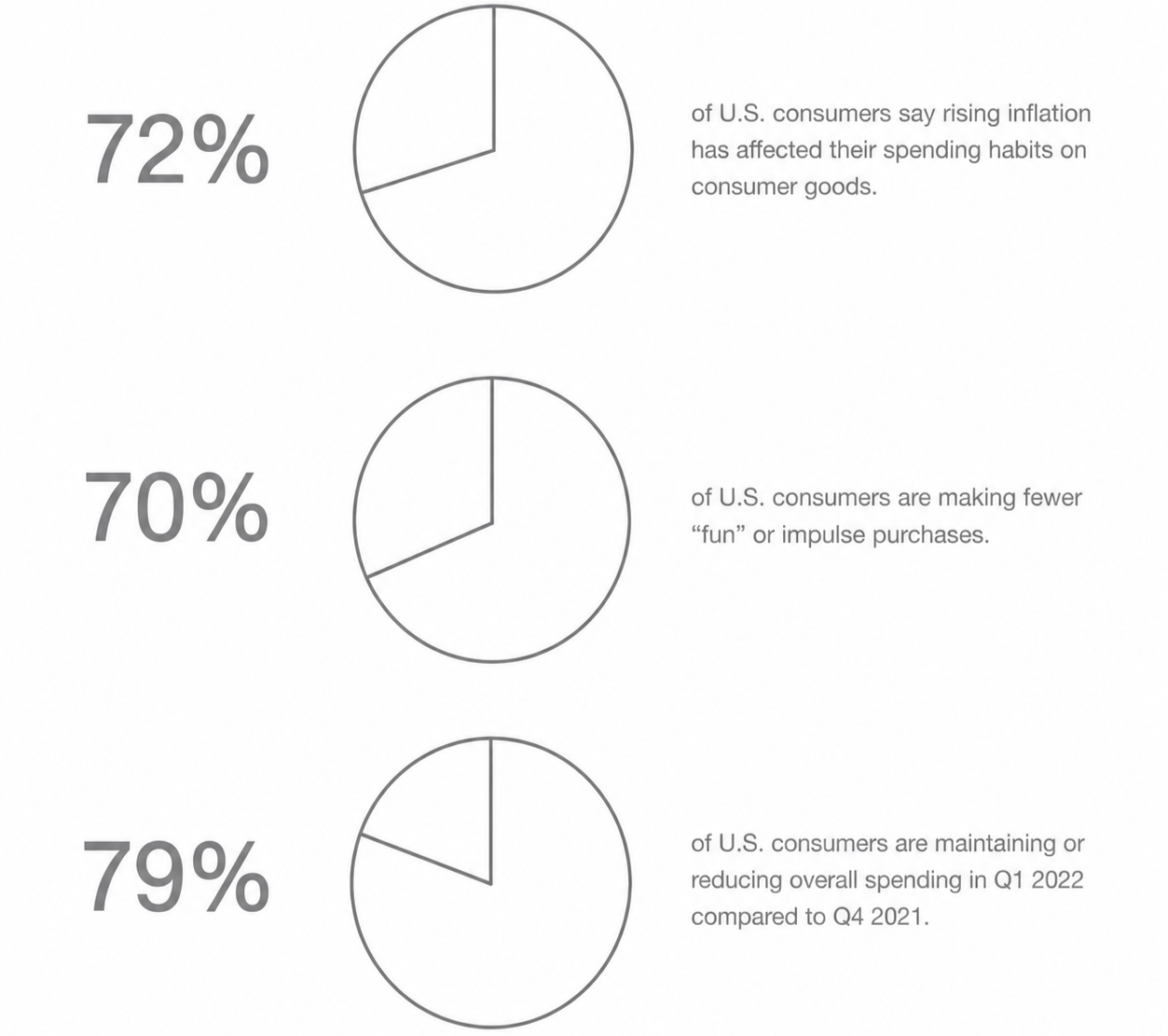
Inflation can have a significant impact on the electronics supply chain, as it can affect the cost of raw materials and other inputs used in the production of electronic products. Additionally, inflation creates electronic products that become less affordable for consumers. This may lead to a decrease in demand for electronic goods which in turn, can impact profitability.
“Children as young as 5 years old can learn how to use a computer mouse.”
A study examined the computer mouse skills of 221 Australian children between the ages of 5 and 10 years old. The tests used to measure the children’s mouse control consisted of subtests assessing point and click, dragging, and pursuit tracking movements with the mouse. The largest increases in the childrens’ computer mouse skill level (accuracy/speed) was observed between ages 6 and 7. Between the ages of 9 and 10, performance appeared to plateau.
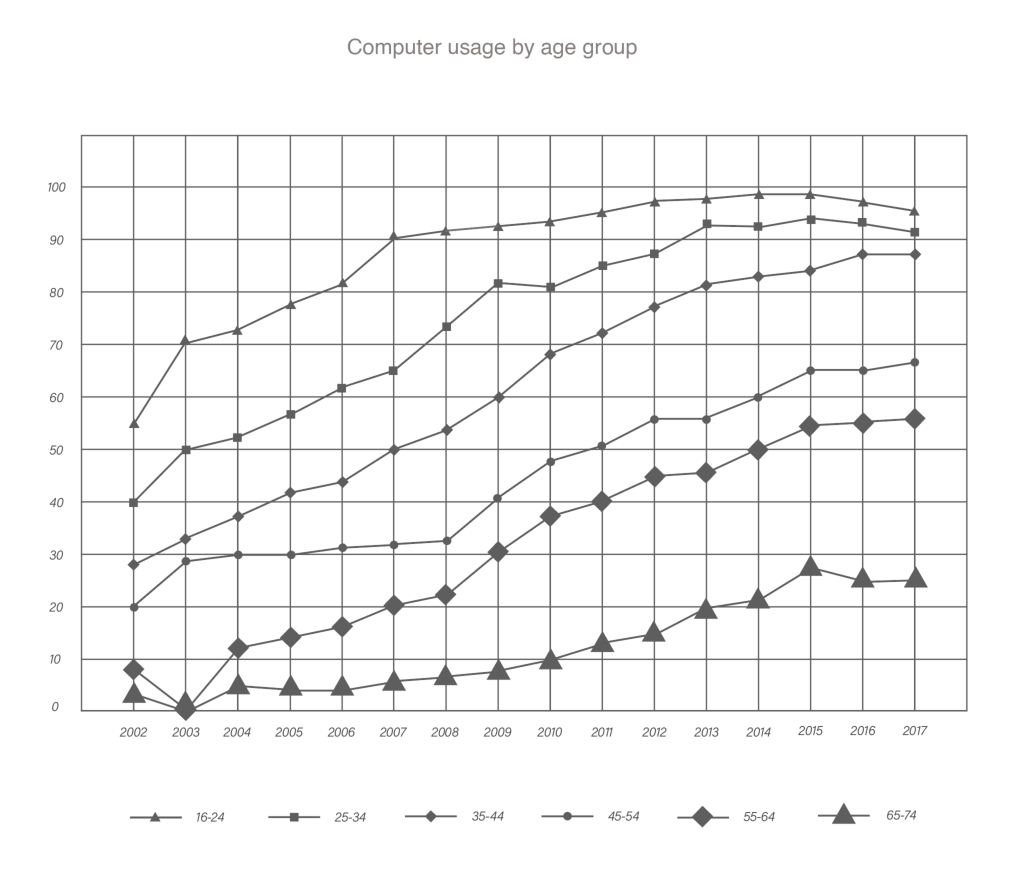
The target market will likely span across multiple age groups, each with different needs and values. Millennial and Gen Z age groups are highly mobile, often plugged in from various locations, frequently traveling with technology. More than nine-in-ten millennial own smartphones, compared with 90% of Gen-xers [those ages 39-54], and 68% of Baby Boomers [ages 55-73] according to a new analysis of a Pew Research Center survey of U.S. adults conducted in early 2019. Gen X and Baby Boomers are the second age group highly invested in technology. This age group contains a large percentage of professionals who are required to travel for work, especially within fields of business consulting, software development, sales, and design.
Demographic
Professionals with an interest in business, fields of STEM, and creative industries are more likely to see value in a secondary-use product that enhances their tech mobility. These individuals are typically early adopters of new technology, making them a key target demographic.
While this is a gender-neutral product, women professionals, in particular, may appreciate a product that streamlines their work essentials in order to seamlessly fit into their pockets. Traditionally, women’s wear has lacked pockets and depth. To this day much of women’s-wear fails to prioritize convenience, remaining centered on merely aesthetic.
Career Attitudes
Ergonomics
Using a computer mouse can be hazardous for two main reasons:
Mouse usage requires continuous, small, and precise movements of the hand, fingers, and thumb, leading to overuse of the same muscles. This can result in pain in the hand, wrist, forearm, and elbow, as well as more severe conditions like ganglion cysts, numbness, and tingling in the fingers, and stiffness.
Additionally, the mouse is often positioned in an awkward location, out of easy reach, which forces users to lean forward and extend their arms. This posture puts strain on the upper back and shoulder muscles, leading to discomfort and fatigue.
Musculoskeletal Disorders
Computer usage can be associated with the development of upper extremity pain and intensive mouse use can lead to hand and forearm musculoskeletal pain/injuries. Modern users today rely on a computer mouse nearly three times more than a keyboard and traditional horizontal mouse designs often promote postures that increase injury risk. Several studies suggest alternative designs, like increasing the height and slanting the top of the mouse to improve wrist posture without sacrificing performance.
7 W’s
01
Simplicity, comfort, convenience
Re-imagining the way we interact with electronics, this concept merges the latest advancements in flexible circuitry with inflatable technology, creating a versatile, next-gen solution for lightweight, portable electronics. The lightweight design offers a unique combination of durability and comfort, making it ideal for housing sensitive PCBs, sensors, and batteries.
03
Empowering Individuals
A forward-thinking, innovative, and user-centric brand can allow a focus on empowering users to maximize their abilities by integrating seamless transitions into their workflows. It values creativity, flexibility, and the effortless, and inevitable, incorporation of technology into daily life. By offering lightweight & compact electronic devices that adapt to the user’s needs, the brand promotes productivity and efficiency, aiming to lead in pushing the boundaries of electronic design, prioritizing both ergonomic functionality and the enhancement of users’ everyday experiences.
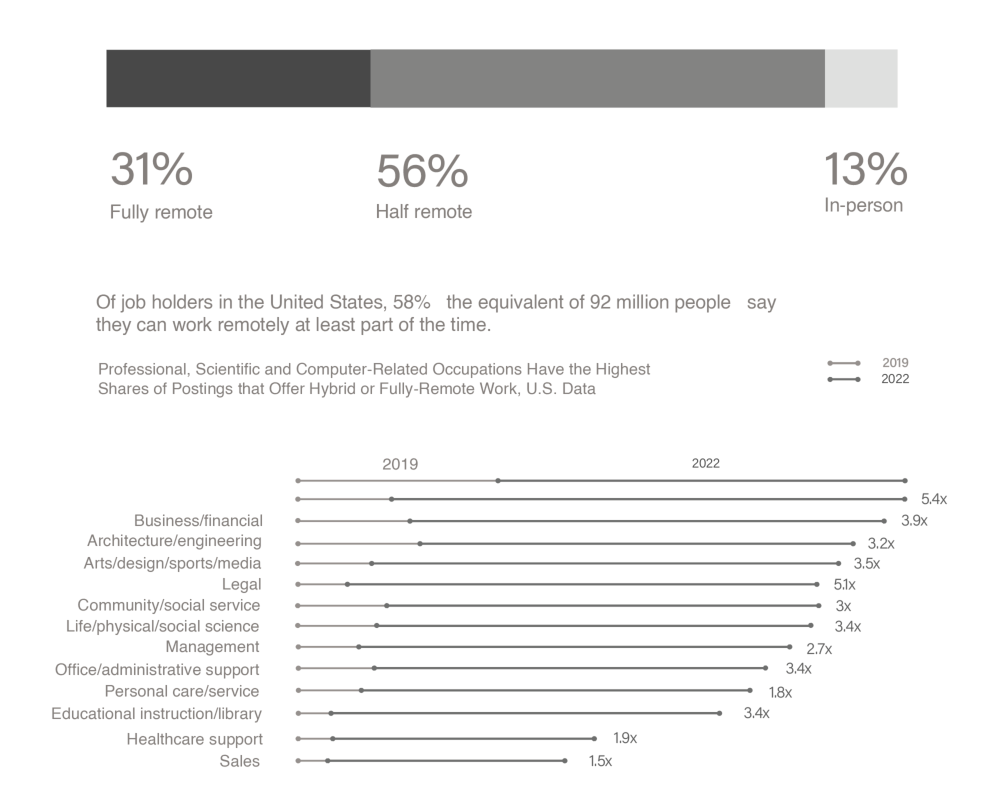
Career attitudes are continuously shifting towards greater flexibility and mobility, which has become increasingly prevalent with the rise of remote work. This broad change has been accelerated by the COVID-19 pandemic, which normalized working from the comfort of your own home.
In McKinsey’s Study, 87% of respondents who had the opportunity to work remotely took the offer.
3. Adam Nathan, Social Media Says Remote Work is Over. The Data Tells a More Interesting Story, June 13, 2023, https://almanac.io/blog/social-media-says-remote-work-is-over
Cultural Factors
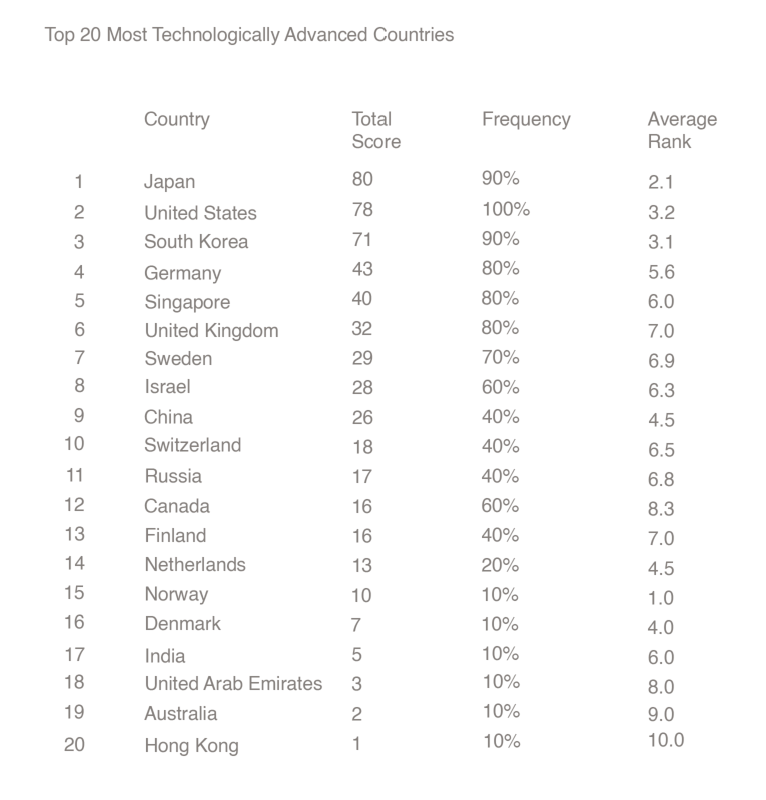
In regions where tech adoption is high, such as the U.S., Singapore, South Korea, China, Japan, and Hong Kong, the demand for innovative, space-saving and tech-enhanced gadgets is prominent. These cultures are quick to adopt new gadgets, especially if they improve the convenience and mobility of personal tech setups. Many digital technologies today do get adopted faster, but it varies vastly by culture. Many Western tech giants have often assumed that other societies in Africa, China, India, and Latin America would simply accept their technology solutions immediately. In reality, cultures adopt technologies in different ways with various degrees, cultural norms, kinship systems, and systems of reciprocity.
Understanding the roles society and culture play in technology adoption will allow the technology to better serve the society. Cultures adopt/reject technologies due to differences in cultural selection/kinship systems. Religious leaders also play a key role in the behavioral norms and daily applications of life.
Pneumatic Structures in Space Exploration
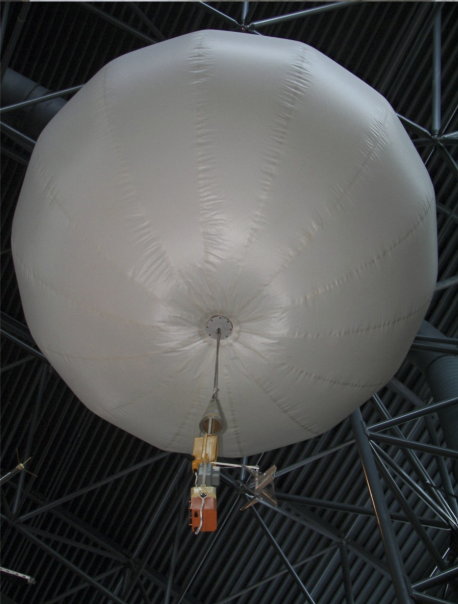
Inflatable structures offer a limited number of two states: the minimization during transport and the maximization for usage.
There is an increasing focus on the development of lightweight, adaptable structures for space exploration, particularly as investments in human missions beyond low-Earth orbit grow. These structures, encompassing inflatable, deployable, and hybrid systems, present significant advantages due to their ability to minimize material usage, while maximizing load capacity and habitable volume. Such design strategies are critical for the establishment of habitats and infrastructure on extraterrestrial bodies, including the Moon and Mars.
The adaptability of lightweight structural designs supports long-term viability by allowing them to accommodate shifting demands over time, a key factor in ensuring sustainable development in space missions. The concept of deployable structures is examined, with an emphasis on their ability to transition between compact states for transport and expanded forms for use.
Inflatable Antennas
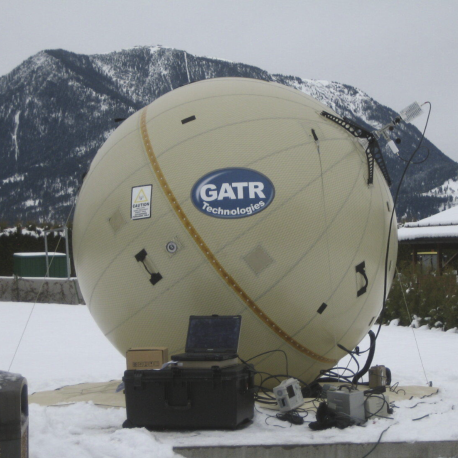
The development of inflatable antennas offers significant benefits for space exploration emergency communication systems as they are lightweight, easy to deploy, inexpensive, and require minimal storage space. These antennas can be transported compactly and then inflated to cover large areas, with some capable of expanding from the size of a suitcase to that of a basketball court.

4. Lourenço, Miguel L, et al. “A Design Contribution to Ergonomic PC Mice Development.” International Journal of Environmental Research and Public Health, U.S. National Library of Medicine, 2 July 2022, www.ncbi.nlm.nih.gov/pmc/articles/PMC9265546/.
5. Krishna, Athul. Mouse Trap: How to Prevent Mouse Arm Syndrome, 30 June 2024, www.happiesthealth.com/articles/muscle-bone/mouse-arm-syndrome.
02
Curiosity
The emotional objective is to evoke a sense of curiosity. Users feel intrigued by innovative designs and the possibilities they offer, making them feel empowered to interact with electronics in a new, dynamic way. The goal is to create an emotional connection through the unique experience of using a product that feels both nostalgic and futuristic, yet practical.
04
Designers, Developers, & Digital Nomads
The primary audience includes tech-savvy individuals, early adopters, and design-conscious users who appreciate the blend of form, function, and innovation. These users are constantly seeking out cutting-edge technology to enhance their productivity and creativity. They are forward-thinking, comfortable exploring new products, and value portability, convenience, and flexibility in the tools they use. These individuals also appreciate minimalist aesthetics and advanced functionality that complements their fast-paced, dynamic lifestyles. They are likely to gravitate toward products that improve workflow efficiency, offering them more freedom in how they interact with their devices.
05
Inspiration & Ease
The goal is to build a sense of inspiration and ease by the innovation and comfort of inflatable electronics. Upon encountering the product, users should experience a sense of intrigue and excitement—drawn to the idea of a design that breaks away from traditional rigid, plastic devices. This concept should encourage individuals to rethink how electronics fit into their daily routines and spark a curiosity about the possibilities of adaptable, inflatable forms throughout different walks of life. Whether inflating the product for ergonomic comfort or packing it down for portability, the product should evoke a sense of interest and adaptability. It should communicate that technology can be as fluid as their needs—lightweight yet durable and dynamic yet functional.
Biodegredation of Thermoplastics
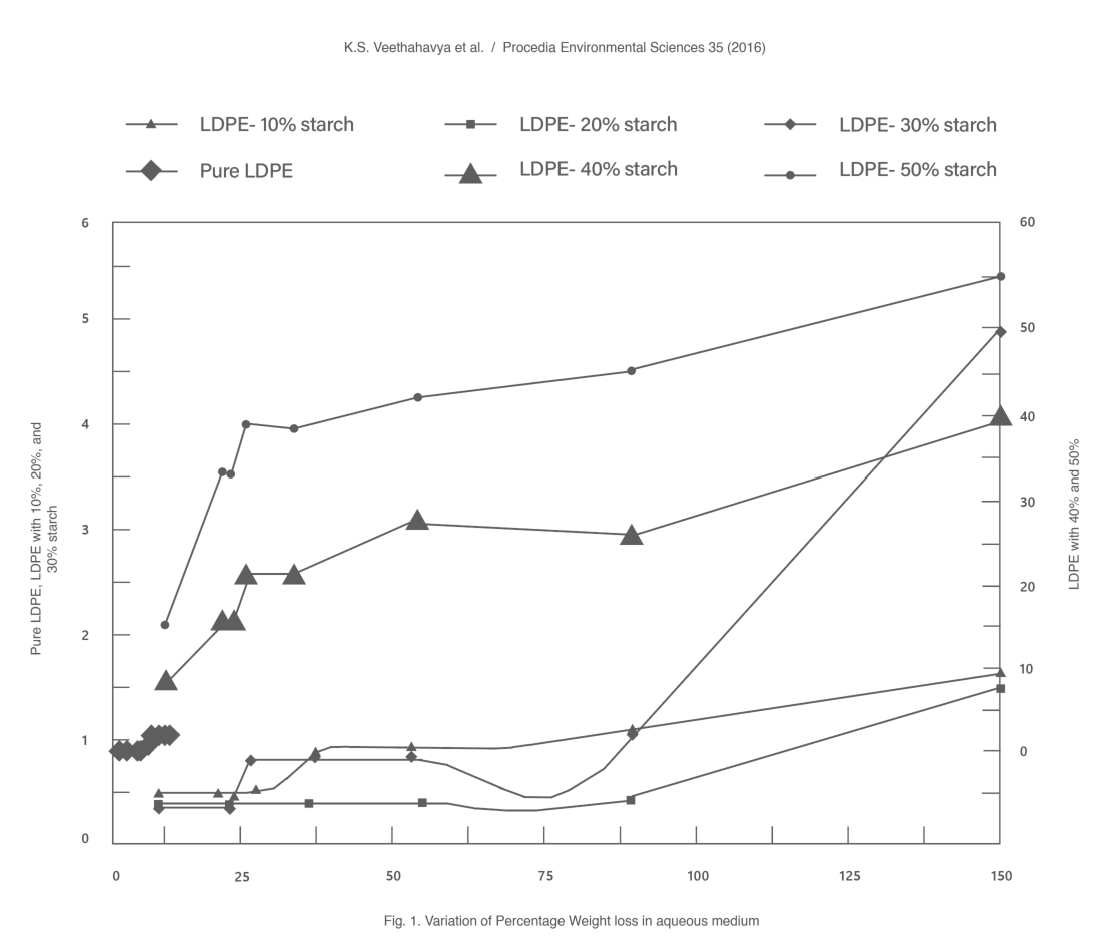
One comprehensive study explores the bio degradation of LDPE by introducing starch as a natural polymer additive in various concentrations, aiming to enhance the degradation process through microbial activity. Low density polyethylene is widely used due to its excellent mechanical and barrier properties against water, light, weight, low cost, and high energy effectiveness, but its disposal strategies still need work. Recently, microorganisms have become the next candidate to test for proper disposal methods against polymer-based waste.
One of the major strategies to facilitate disintegration and degradation is by direct degradation of LDPE by microorganisms using only the polymer as sole carbon source. The rationale is that starch, when blended with LDPE, can serve as a point of attack for microorganisms, facilitating the breakdown of LDPE when integrated into the polymer matrix. Samples with increasing starch content (10%, 20%, 30%, 40%, 50%) were tested against pure LDPE with the expectation that higher starch levels would result in higher rates of degradation. Over the course of 150 days, the study measured degradation rates, with clear evidence that starch content directly influenced the degree of degradation. The research supports the hypothesis that increasing the natural polymer (starch) content improves the biodegradability of LDPE, likely due to microbial attack on starch, which weakens the plastic matrix and facilitates further breakdown.
6. Kyaw, B. M., Champakalakshmi, R., Sakharkar, M. K., Lim, C. S., & Sakharkar, K. R. (2012). Biodegradation of Low Density Polythene (LDPE) by Pseudomonas Species. Indian journal of microbiology, 52(3), 411–419. https://doi.org/10.1007/s12088-012-0250-6
Environmental Regulations
Since one of the goals is to reduce environmental impact by decreasing the use of ABS plastic with alternatives, the product would need to comply with laws related to plastic recycling and waste management. Many countries have regulations in place that require electronics manufacturers to design products for recyclability or ensure proper disposal methods for end-oflife products. If marketing as eco-friendly or sustainable, ensure that any environmental claims are substantiated and verifiable. There are strict rules surrounding green-washing, or making misleading claims about the environmental benefits of a product. FTC (Federal Trade Commission) guidelines on environmental marketing require that any claims about recyclability, biodegradability, or material sourcing be accurate and clearly explained to consumers.
Product Liability
Consumer electronics will need to comply with product safety standards and certification requirements. UL certification may also be required to demonstrate the product’s electrical component and fire hazard safety. The low-density polyethylene and other various thermoplastics must comply with material safety regulations to ensure that the materials used don’t release harmful chemicals (e.g., plasticizers). Ensure compliance with RoHS (Restriction of Hazardous Substances Directive) to prevent the use of hazardous materials such as lead, mercury, or certain flame retardants that are banned in consumer electronics. Because the design will be battery powered, it will need to comply with regulations related to battery safety and disposal.
06
Interface Manipulation
Despite technological breakthroughs in recent years, current products have yet to fully capitalize on their potentials, leaving space to reimagine what technology can look and feel like. By integrating air as a dynamic medium, this project proposes a radical shift in how users interact with devices—turning the physical interface into the “skin” of the object itself.
07
Futuristic, yet approachable.
The desired tone is futuristic yet approachable. It should feel innovative, forward-thinking, and sleek, while also maintaining space for simplicity and practicality. The personality of the brand is visionary and confident, while still being grounded in human-centered design, making advanced technology feel accessible and intuitive.
Sustainability
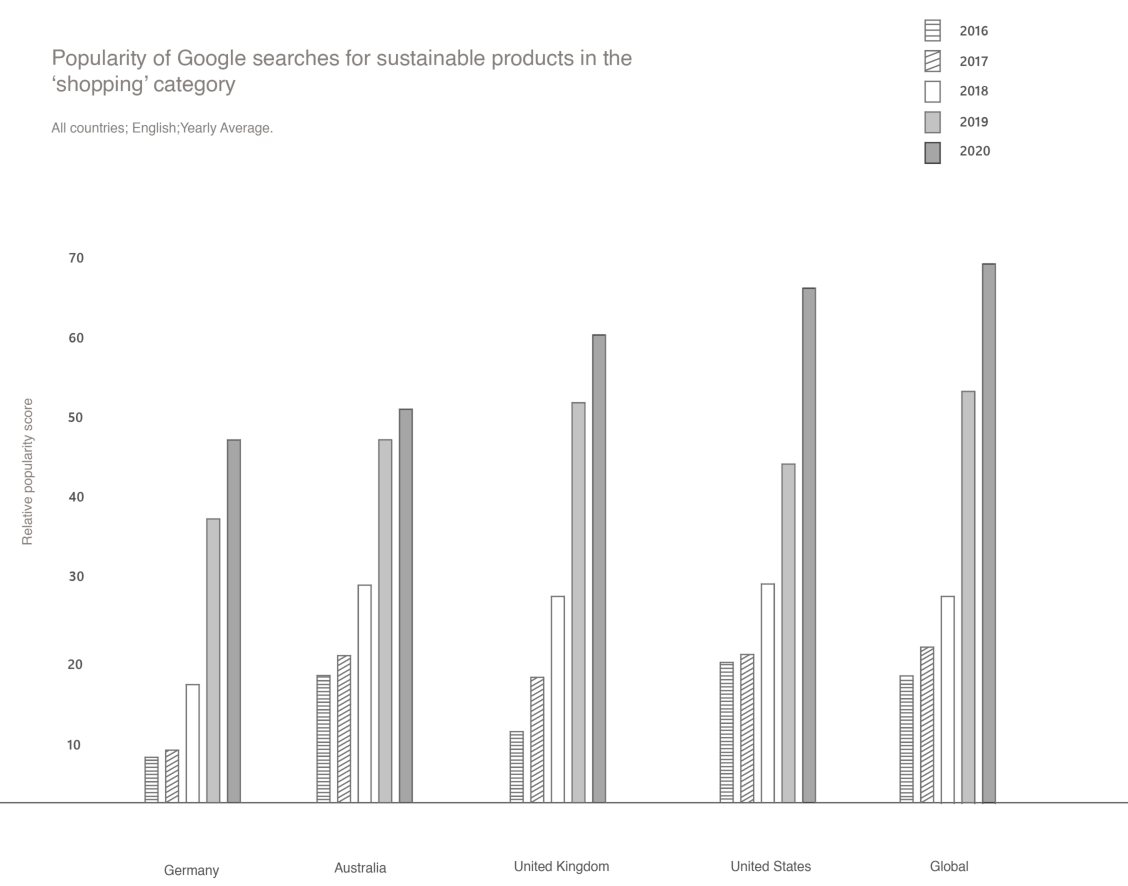
According to a global analysis commissioned by World Wildlife Fund (WWF) and conducted across 54 nations by the Economist Intelligence Unit (EIU), the popularity of internet searches for sustainable goods around the world has increased by 71 percent in just five years. Additionally, this is an ongoing trend existing outside of developed nations and advanced economies. Ecuador, for example, has seen a staggering 120% growth in consumer clicks for sustainable goods.
This trend, referred to as an “eco-wakening,” is part of a broader movement as people become more aware of urgent environmental challenges such as species extinction, habitat loss, and climate change. Public activism, evident in the rise of social media discussions and support for biodiversity campaigns, demonstrates a collective shift towards sustainable living. However, despite this awakening, consumers face hurdles in adopting greener lifestyles, including lack of awareness about sustainable options, skepticism over the quality of such products, and issues with cost and availability.
If selling globally, it is important to consider how international environmental laws affect production marketing. (EU, Japan) have highly strict e-waste and recycling laws.
FTC Safeguard Rule
In the U.S., companies are required to comply with the FTC Safeguards Rule, which necessitates robust security protocols to protect customer information. As the hybrid product connects wirelessly and may potentially interact with various smart devices or platforms, implementing secure data encryption, secure pairing processes, and regular software updates is essential to mitigate potential security breaches. Incorporating strong data protection measures not only ensures compliance with these regulations but also builds user trust, which is increasingly important in consumer electronics.
Designing with privacy and security in mind positions the product favorably in a competitive market where consumers are growing more aware of their rights and concerned about the safety of their personal data.
Similarly, the CCPA empowers consumers in the U.S. with rights to know what personal data is being collected, giving them the ability to opt out of its sale. This means that any data collected by the Bluetooth speaker-mouse hybrid, whether for connectivity or user interaction, must be clearly communicated to the user, with the option to limit or restrict data collection altogether.
Transparency also extends to acknowledging any limitations in eco-friendly claims, such as the use of non-recyclable components or the energy consumption during manufacturing. By openly discussing both the positive and negative environmental aspects, manufacturers can meet growing consumer demand for authenticity and ethical responsibility.
7. Guides for the Use of Environmental Marketing Claims, Federal Trade Commission, https://www.ftc.gov/sites/default/files/attachments/press-releases/ftc-issues-revised-green-
One major concern highlighted is the unsafe handling of e-waste in developing countries, where improper recycling methods, such as open-air burning and acid baths, expose workers to harmful chemicals like lead and mercury. This improper disposal can lead to severe health and environmental issues. In 2009, U.S. consumers and businesses discarded 2.37 million tons of electronics, with only 25% collected for recycling.
2014
41
million tons
2016
45
million tons
2022
62
million tons
Data Privacy & Security
Data privacy and security are critical considerations, especially as global regulations like the General Data Protection Regulation (GDPR) and the California Consumer Privacy Act (CCPA) become increasingly relevant. The GDPR, a cornerstone in data privacy, mandates stringent requirements for companies to handle user data with the utmost care, including provisions for users to access, delete, or transfer their data. Non-compliance can result in severe financial penalties, making it imperative to design products that adhere to these standards from the outset.
Consumer Transparency
Ethically, consumer transparency and green marketing are essential to building trust and credibility in today’s eco-conscious market. With sustainability in mind, it is important to avoid the pitfalls of greenwashing. Instead, manufacturers should focus on clearly and honestly communicating the true environmental impact of the product.
Green Marketing
Green marketing should emphasize the genuine sustainability efforts taken, such as reducing waste, lowering carbon footprints, and sourcing responsibly. Ensuring that consumers can easily access this information, whether through packaging, product descriptions, or digital platforms, further enhances transparency and aligns the product with the increasing demand for ethical, environmentally conscious choices. Ultimately, this approach builds long-term consumer loyalty and distinguishes the brand in a crowded market, as consumers gravitate toward companies they perceive as genuinely committed to sustainability.
Environmental Protection Agency (EPA)
The U.S. Environmental Protection Agency’s (EPA) provides international efforts for managing e-waste (electronic waste) through collaboration with global partners. The EPA works bilaterally with governments and environmental agencies, such as Taiwan’s Environmental Protection Administration, to coordinate the International E-Waste Management Network (IEMN). This initiative, started in 2011, brings together officials from various regions to exchange best practices on e-waste management. The EPA’s actions support the National Strategy for Electronics Stewardship, which seeks to improve the management of electronics throughout their life cycle. Additionally, the EPA collaborates with the Solving the E-Waste Problem Initiative (Step), formerly under the United Nations University, to address e-waste issues in developing countries. Notable projects include tracking global e-waste flows and optimizing e-waste facilities in countries like Nigeria and Ethiopia
E-Waste throughout the years
The global generation of e-waste has seen a significant and troubling increase over the years. In 2014, the world produced around 41 million tons of e-waste, which rose to 45 million tons in 2016. By 2022, this figure surged to 62 million tons. This sharp growth can be attributed to several key factors:
Rapid Technological Advancement
The fast-paced innovation in consumer electronics, such as smartphones, laptops, and household gadgets, leads to shorter product life cycles. As new, upgraded devices are constantly introduced, older models quickly become obsolete, contributing to the growing accumulation of e-waste.
Lack of Recycling Infrastructure
Many countries still lack the proper infrastructure to effectively manage and recycle electronic waste. Without sufficient systems for collection, refurbishment, and recycling, much of this waste ends up in landfills, exacerbating environmental damage.
Improper Disposal Practices
Increased Global Consumption
As the global middle class expands, particularly in developing countries, there is a rising demand for electronic products. More people have access to gadgets, contributing to the overall volume of electronic waste generated when these products reach the end of their lifespan.
In some cases, consumers are unaware of proper disposal methods for e-waste or lack access to facilities that can handle these materials. As a result, significant amounts of electronics are improperly discarded, further inflating global e-waste figures.
Planned Obsolescence
Manufacturers often design products with limited longevity to encourage frequent replacements. Whether through software updates that slow down older devices or hardware that cannot be easily repaired, planned obsolescence drives consumers to discard older electronics, adding to the e-waste problem.
Takeaways
The rapid growth of e-waste highlights the need for more sustainable manufacturing practices, increased consumer awareness about recycling, and stronger global infrastructure to handle the mounting challenge of electronic waste.
8. “Cleaning up Electronic Waste (E-Waste) .” EPA, Environmental Protection Agency, www.epa.gov/international-cooperation/cleaning-electronic-waste-e-waste.